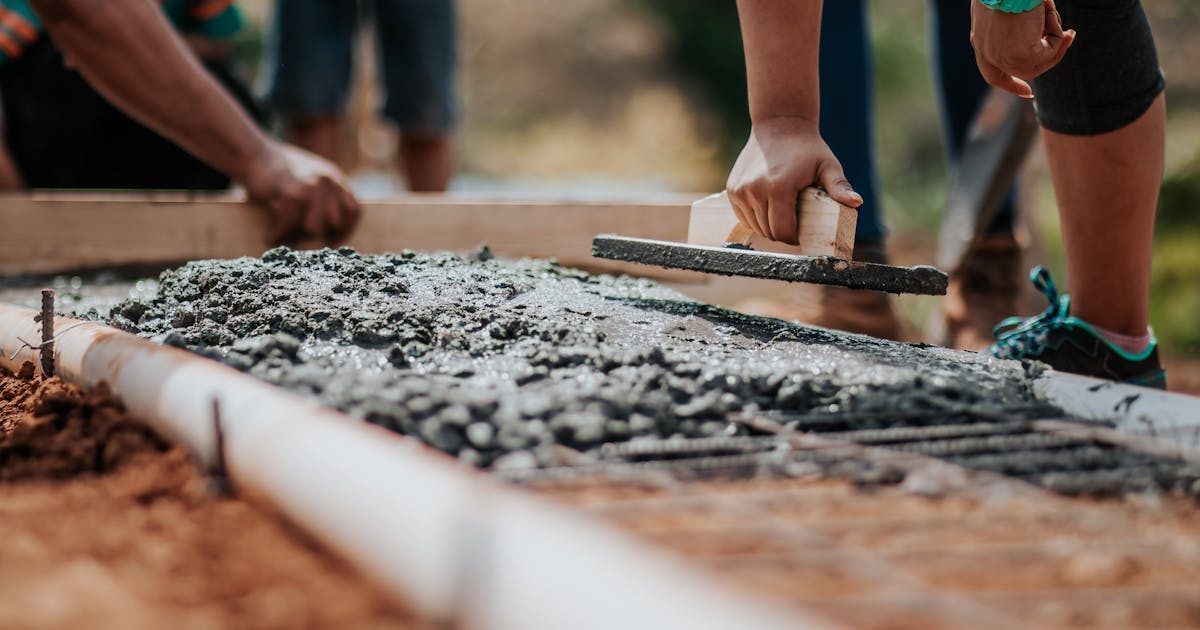
Have you ever walked out to your driveway after a rainstorm only to find a lake where your car should be? Understanding driveway drainage is essential for any homeowner. If you’re nodding your head right now, you’re definitely not alone. When I first moved to Nashville three years ago, I thought the standing water pooling near my garage was just “part of living in Tennessee.” Turns out, I was dead wrong – and ignoring it nearly cost me $8,000 in foundation repairs.
Table of Contents
- Why Nashville Driveways Have Serious Drainage Problems (And Why Yours Probably Does Too)
- French Drain Installation: Nashville’s Most Popular Driveway Drainage Solution
- Channel Drain for Driveways: Surface Water Interception That Works
- Catch Basin Installation: Strategic Water Collection Points
- Driveway Grading and Drainage: Getting the Slope Right
- Permeable Driveway Pavers: The Eco-Friendly Drainage Solution
- Pop-Up Drain Emitters & Dry Well Systems: Where Does the Water Go?
- Clay Soil Drainage Problems: Nashville’s Unique Challenge
- French Drain vs Channel Drain: Which is Right for Your Nashville Driveway?
- Hiring Nashville Drainage Contractors: What to Look For
- DIY Driveway Drainage Solutions That Actually Work
- Stormwater Management & Nashville Building Codes
- FAQ: Your Driveway Drainage Questions Answered
- Taking Action: Your Next Steps
- Final Thoughts: Don’t Wait Until It’s a Crisis
Here’s the truth about driveway drainage in Nashville: our city’s clay soil, combined with increasingly intense rainfall patterns, creates the perfect storm for water management nightmares. But after working with dozens of homeowners across Davidson, Williamson, and Rutherford counties, I’ve learned that most driveway flooding problems aren’t just fixable – they’re actually preventable with the right drainage system.
Whether you’re dealing with water pooling at the base of your driveway, erosion washing away your gravel, or worse – water seeping into your foundation – this guide will walk you through every proven solution that actually works in Middle Tennessee’s unique conditions. When considering driveway drainage, this is especially important.
Why Nashville Driveways Have Serious Drainage Problems (And Why Yours Probably Does Too)
Let’s start with something most contractors won’t tell you upfront: Nashville sits on some of the most challenging soil for drainage in the entire Southeast. Our notorious clay soil acts like a waterproof barrier, preventing natural water absorption and forcing everything to run across the surface. Add in Middle Tennessee’s average annual rainfall of 47 inches – with increasingly intense storm events thanks to changing weather patterns – and you’ve got a recipe for chronic drainage headaches. This directly impacts driveway drainage for Nashville homeowners.
The Tennessee Valley Authority’s recent 2025 stormwater study found that properties in the Nashville metro area experience 35% more surface water runoff issues compared to neighboring regions, primarily due to our clay-heavy soil composition. When your driveway slope isn’t properly graded (and most aren’t), all that water has nowhere to go except into pooling puddles, eroding soil, or seeping toward your foundation. Understanding driveway drainage helps you make better decisions.
Here are the telltale signs your driveway has poor drainage:
- Standing water that persists 24+ hours after rain
- Visible erosion channels along driveway edges
- Cracks in concrete or asphalt that seem to worsen each year
- Water staining on your garage door or foundation
- Moss or algae growth in consistently wet areas
- Gravel driveways developing ruts and washouts
- Ice patches forming in the same spots every winter
Sound familiar? Then it’s time to explore your drainage solution options – because ignoring these warning signs only gets exponentially more expensive. This is a key factor in driveway drainage considerations.
French Drain Installation: Nashville’s Most Popular Driveway Drainage Solution
When homeowners ask me about the best long-term fix for driveway drainage, French drains top my list about 70% of the time. Why? Because they work with nature rather than against it, creating an underground pathway for water to flow away from problem areas.
How Does a French Drain Work?
Think of a French drain as an underground river for stormwater. The system consists of a perforated drainage pipe surrounded by gravel, all wrapped in geotextile fabric. When surface water or groundwater encounters the gravel, it flows into the perforations in the pipe and gets transported away from your driveway to a safe discharge point – typically a dry well, municipal storm drain, or lower area of your property. For driveway drainage, this matters significantly.
The genius of this system lies in its simplicity. Unlike surface drains that can clog with leaves and debris, French drains handle both surface runoff and subsurface water simultaneously. In Nashville’s clay soil conditions, this is absolutely critical because hydrostatic pressure builds up quickly under driveways, leading to cracking and heaving. Regarding driveway drainage, Nashville experts recommend this approach.
French Drain Installation Cost in Nashville (2026 Pricing)
Let’s talk numbers, because I know that’s what you’re really wondering. Based on quotes from three major Nashville drainage contractors – TN Drainage Solutions, Nashville Drain Pros, and Middle Tennessee Drainage Company – here’s what you can expect: This plays a major role in driveway drainage outcomes.
- Basic French drain system (along one side of driveway, 30-50 feet): $1,800 – $3,200
- Comprehensive driveway perimeter system (both sides plus apron): $4,500 – $7,800
- High-flow commercial-grade installation (larger pipe, deeper excavation): $6,000 – $11,000
Several factors influence these costs: excavation depth (deeper = better drainage but higher cost), pipe diameter (4-inch vs. 6-inch), discharge point accessibility, and whether you’re dealing with concrete cutting or simple soil excavation. Many homeowners researching driveway drainage overlook this detail.
Pro tip from a veteran contractor: Don’t cheap out on the geotextile fabric. Spending an extra $150 on commercial-grade fabric prevents your French drain from silting up and failing within 3-5 years – which is exactly what happens with those $800 “budget installs” you see on Facebook Marketplace. When considering driveway drainage, this is especially important.
Related reading: Nashville Premier Concrete Cost Guide 2025 – understand the full cost picture if you’re considering driveway replacement alongside drainage improvements. This directly impacts driveway drainage for Nashville homeowners.
DIY vs. Professional French Drain Installation
I’m all for DIY projects when they make sense. But French drains? This is one area where cutting corners almost always backfires. Here’s why: Understanding driveway drainage helps you make better decisions.
Professional installers understand Nashville’s specific challenges – where the clay layer starts, how to achieve proper slope (minimum 1% grade), and most importantly, where water can legally be discharged. Metro Nashville’s stormwater management code has specific requirements, and dumping drainage onto neighboring properties or city sidewalks can result in fines up to $1,500. This is a key factor in driveway drainage considerations.
That said, if you’re handy and have a small area to address (under 30 feet), this excellent French drain installation tutorial from The Home Depot covers the basics well. Just be prepared for serious labor – digging through Tennessee clay is no joke without a mini excavator. For driveway drainage, this matters significantly.
Channel Drain for Driveways: Surface Water Interception That Works
While French drains excel at subsurface drainage, channel drains (also called trench drains) specialize in rapidly removing surface water before it can pool. If you’ve got a sloped driveway where water rushes downhill and accumulates at the bottom, a channel drain system might be your best solution. Regarding driveway drainage, Nashville experts recommend this approach.
What Makes Channel Drains Different?
Channel drains sit at the surface level, featuring a long, narrow trench with a grated top. Water flows directly into the channel and gets transported through connected drainage pipes to your discharge point. They’re particularly effective for: This plays a major role in driveway drainage outcomes.
- Driveway aprons where water accumulates before entering the garage
- Transitions between different driveway materials
- Sloped driveways experiencing heavy runoff volume
- Commercial applications requiring high water flow capacity
The biggest advantage? Visible performance. You can actually watch water disappearing into your channel drain during rainstorms, which provides immediate peace of mind. The biggest disadvantage? Maintenance. Leaves, debris, and in Nashville’s case, that yellow pollen coating everything each spring, will require periodic grate removal and cleaning.
Channel Drain Installation Cost & Best Products
Nashville-area contractors typically charge $45-$75 per linear foot for channel drain installation in existing concrete driveways (which requires concrete cutting). For new driveway installations where the channel can be integrated during initial construction, expect $30-$50 per linear foot.
Top-rated channel drain products for Nashville driveways:
- NDS Dura Slope – modular system, excellent for DIY, $25-40/foot materials
- ACO KlassikDrain – professional-grade, handles heavy vehicle loads, $55-85/foot
- Trench Drain Systems – custom fabrication for unique applications
Check out this installation video from NashvilleLandscaping showing a channel drain being installed at a Brentwood property – it’s a perfect example of how these systems function in Middle Tennessee conditions.
You might also need: Driveway Removal Cost Nashville – if your existing driveway damage is severe enough that complete replacement makes more financial sense than repairs.
Catch Basin Installation: Strategic Water Collection Points
Catch basins (sometimes called storm drains or yard inlets) work like strategic checkpoints in your drainage system, collecting water at specific problem areas and funneling it into underground pipes. Think of them as the period at the end of your drainage sentence – the final collection point before water exits your property.
When Does a Catch Basin Make Sense?
Catch basins excel in these scenarios:
- Low spots where water naturally pools in your driveway
- Intersections where multiple drainage flows converge
- Endpoint collection for French drain or channel drain systems
- Downspout drainage where roof runoff needs underground routing
A properly installed catch basin includes a sump area below the outlet pipe that traps sediment and debris, preventing your drainage pipes from clogging. In Nashville’s tree-heavy neighborhoods, this sediment trap is essential – our spring pollen and fall leaves create more drainage debris than almost any other region.
Catch Basin Installation & Maintenance
Professional installation typically runs $800-$1,500 per catch basin, including excavation, the basin unit itself, connecting pipe work, and proper grading. The two most common sizes for residential driveways are 12×12 inch and 18×18 inch openings, with 18-inch being preferable for high-flow situations.
Critical maintenance tip: Plan to clean your catch basin twice yearly – once after spring pollen season and once after fall leaves. Simply remove the grate, scoop out accumulated debris from the sump area, and flush with a garden hose. This 15-minute task twice a year prevents 95% of catch basin failures.
Driveway Grading and Drainage: Getting the Slope Right
Here’s something most homeowners don’t realize: proper grading prevents more drainage problems than all the drains combined. Your driveway should have a minimum 2% slope (2 feet of drop per 100 feet of length) to ensure water naturally flows away from your home. Unfortunately, many Nashville driveways – especially older installations – have negative slope or insufficient grade.
Signs Your Driveway Grading is Wrong
- Water flows toward your house instead of away from it
- Standing water persists in the same spots repeatedly
- Ice forms in specific areas every winter
- Your garage floor stays damp or shows water staining
Negative slope (water flowing toward your foundation) is the most serious grading problem and should be addressed immediately. According to Nashville’s AFS Repair, they’ve seen a 40% increase in foundation repair claims directly attributable to poor driveway grading over the past five years.
Driveway Regrading Cost Nashville
Regrading costs vary dramatically based on driveway size and current condition:
- Minor adjustments (grinding high spots, adding base material): $800-$1,800
- Moderate regrading (removing and replacing base layer): $2,500-$5,500
- Major reconstruction (complete excavation and rebuild): $6,000-$15,000+
Sometimes the most cost-effective solution involves combining regrading with driveway resurfacing. If your concrete or asphalt is already 15+ years old and showing deterioration, comparing concrete vs. asphalt costs might reveal that complete replacement makes more sense than piecemeal repairs.
Watch this helpful video: How to Fix Driveway Negative Grade – Step by Step Guide from Apple Drains demonstrates proper grading techniques that work exceptionally well in Nashville’s clay soil conditions.
Permeable Driveway Pavers: The Eco-Friendly Drainage Solution
Want to eliminate standing water while earning environmental brownie points? Permeable pavers might be your answer. These specialized paving systems allow water to infiltrate directly through the driveway surface, eliminating surface runoff entirely.
How Permeable Pavers Work
Unlike traditional concrete or asphalt that creates an impervious barrier, permeable paver systems feature:
- Open-grid paving blocks with gaps allowing water infiltration
- Aggregate base layer (12-18 inches) providing water storage and filtration
- Optional infiltration chamber if native soil has poor permeability (hello, Nashville clay!)
The beauty of this system is twofold: you get excellent drainage and you’re helping recharge groundwater rather than overwhelming storm sewers. Metro Nashville actually offers stormwater fee reductions for properties using permeable paving – potentially saving $100-300 annually depending on your property size.
Permeable Paver Installation Nashville
Full disclosure: permeable pavers represent the highest upfront investment of any drainage solution discussed here. Expect to pay:
- TRUEGRID permeable pavers: $8-12 per square foot installed
- Concrete permeable pavers: $12-18 per square foot installed
- Traditional concrete (for comparison): $7-11 per square foot installed
For a standard 600 square foot driveway, you’re looking at $4,800-$10,800 for permeable pavers versus $4,200-$6,600 for traditional concrete. However, factor in the eliminated need for separate drainage systems (saving $2,000-$5,000), reduced stormwater fees, and increased home value, and the ROI equation shifts favorably.
Related resource: Concrete Driveway ROI Nashville – Home Value Analysis breaks down how different driveway improvements impact resale value in Middle Tennessee’s real estate market.
Pop-Up Drain Emitters & Dry Well Systems: Where Does the Water Go?
Installing drains is only half the battle – you also need a proper discharge point. This is where many DIY drainage projects fail spectacularly. In Nashville’s dense clay soil, simply dumping water “somewhere downhill” often creates new problems rather than solving existing ones.
Pop-Up Drain Emitters
These clever devices sit at the end of your drainage pipes, remaining closed when not in use (preventing debris entry and rodent access) and automatically “popping up” when water flows through. They’re ideal when you have a safe discharge area at least 10 feet from your foundation and any property lines.
Installation tip: In Middle Tennessee, always install pop-up emitters on a gravel bed, never directly on clay soil. Otherwise, repeated water discharge creates a localized swamp that eventually backs up your entire system.
Dry Well Drainage Systems
When you don’t have good surface discharge options, a dry well (or infiltration trench) provides underground water storage and gradual soil absorption. These work reasonably well in Nashville – but with one critical caveat: you must extend the drain line deep enough to reach more permeable soil below the clay layer (typically 3-4 feet down in most Nashville areas).
A properly sized dry well for residential driveway drainage should be 3-4 feet in diameter and 3-5 feet deep, filled with #57 stone and wrapped in geotextile fabric. Professional installation costs $1,200-$2,500 depending on depth and accessibility.
Important note on permits: Metro Nashville requires permits for any drainage work that discharges more than 1,000 gallons per storm event or connects to public storm systems. Most driveway drainage projects fall under this threshold, but commercial properties and large driveways should check with Metro Water Services before beginning work.
Clay Soil Drainage Problems: Nashville’s Unique Challenge
Let’s spend a moment on the elephant in the room: Nashville’s clay soil. If you’ve lived here more than one season, you’ve experienced it – that thick, sticky, water-resistant mud that expands when wet and cracks like concrete when dry. For drainage purposes, clay soil presents three major challenges:
1. Poor Infiltration Rate
Clay soil absorbs water at a rate 100-1000x slower than sandy or loamy soil. This means water sits on the surface or slowly accumulates in the subsurface, creating hydrostatic pressure against foundations and under driveways. The Tennessee Department of Environment and Conservation rates our regional clay as “very poorly drained” with infiltration rates of only 0.01-0.05 inches per hour.
2. Expansive Clay Movement
Nashville sits on expansive clay soils that can swell up to 15% in volume when saturated. This swelling creates enormous pressure under concrete driveways, causing the cracking and heaving you see in older installations. Proper drainage dramatically reduces this moisture-driven movement.
3. Frost Heave Susceptibility
While our winters are mild compared to northern states, Nashville does experience freeze-thaw cycles. Saturated clay soil freezes, expands, lifts your driveway, then settles unevenly when thawing. Over several winters, this creates the distinctive “wavy” appearance common in poorly-drained Nashville driveways.
The solution? Effective drainage systems must work with Nashville’s clay, not against it. This means:
- Excavating deeper than standard recommendations to reach better-draining subsoil
- Using more robust drainage pipe with larger perforations
- Installing adequate stone base layers (minimum 6 inches for driveways)
- Incorporating geotextile fabric to prevent clay migration into drainage aggregates
French Drain vs Channel Drain: Which is Right for Your Nashville Driveway?
This is the question I get asked most frequently. The honest answer? It depends on your specific situation. Let me break down the decision matrix:
Choose French Drain When:
- You have subsurface water problems (soggy soil, hydrostatic pressure)
- Long-term invisible solution is preferred
- Working with existing landscaping you want to preserve
- Budget allows for proper excavation depth
- Clay soil issues require deeper drainage
Choose Channel Drain When:
- Surface water runoff is your primary issue
- Immediate, visible water removal is important
- Working with steep slopes or garage aprons
- Space constraints prevent French drain installation
- Dealing with high-volume water flow situations
Pro tip: Many Nashville properties benefit from a hybrid approach – French drains along driveway perimeters handling subsurface water, plus a channel drain at the garage apron intercepting surface flow. This combination addresses both water types and provides redundancy if one system gets temporarily overwhelmed.
Hiring Nashville Drainage Contractors: What to Look For
Ready to move forward with professional installation? Here’s how to avoid the nightmare scenarios I’ve seen (including one homeowner who paid $4,500 for a “French drain” that was literally just gravel in a trench with no pipe whatsoever).
Essential Contractor Qualifications
✅ Licensed and insured – verify Tennessee Contractor License through tn.gov
✅ Local experience – specifically with Middle Tennessee clay soil conditions
✅ Proper equipment – mini excavator, concrete saw, laser level for grading
✅ References – recent projects in your specific Nashville-area neighborhood
✅ Written estimates – detailed breakdown of materials, labor, and timeline
✅ Warranty coverage – minimum 2-year warranty on installation workmanship
Red Flags to Avoid
🚩 Pressure to make immediate decisions or “today only” pricing
🚩 Cash-only payment requests or unusually large upfront deposits
🚩 Inability to provide proof of insurance
🚩 No mention of permits when clearly required
🚩 Vague or generic proposals without site-specific details
🚩 Claims that “expensive drainage fabric isn’t necessary”
Get multiple quotes: Contact at least three contractors for estimates. In Nashville’s current market, expect professional quotes within $500-$1,000 of each other for comparable work. If one bid is dramatically lower, that’s typically a red flag, not a bargain.
Financing options: If budget is a concern, check out Nashville Concrete Financing & Payment Plans which covers financing options many local contractors offer for drainage and concrete work.
DIY Driveway Drainage Solutions That Actually Work
Not every drainage problem requires thousands of dollars and professional contractors. Here are three DIY solutions that can address minor to moderate issues:
1. Extend Your Downspouts Underground
Many Nashville driveway drainage problems originate from roof runoff being dumped right next to the driveway. For $100-$300 in materials and a Saturday afternoon, you can install underground downspout extensions that carry water 10-20 feet away from problem areas.
What you’ll need:
- Schedule 35 PVC pipe (4-inch diameter)
- Pop-up emitter
- Trenching tool or mini excavator rental
- PVC connectors and adhesive
This video tutorial from Nashville Dirt Works LLC demonstrates the exact process for Middle Tennessee conditions.
2. Create a Shallow Swale Along Driveway Edge
A swale is essentially a shallow, vegetated drainage channel that directs surface water. If you have space along your driveway edge, excavating a subtle 6-8 inch deep swale can intercept and redirect water before it reaches problem areas.
Keys to success:
- Minimum 2% slope along swale length
- Line with erosion-control fabric if water velocity is high
- Plant water-tolerant grass or native plants
- Expect to spend $300-$600 for 50 feet of swale if doing it yourself
3. Install Driveway Edge Drains
These shallow drainage channels run along driveway edges, catching water before it pools. While not as robust as full French drains, edge drains can be effective for moderate water issues.
Materials needed (50 feet):
- Perforated corrugated pipe (4-inch): $25-$40
- River rock or pea gravel: $75-$150
- Geotextile fabric: $30-$50
- Basic trenching tools
Realistic assessment: DIY solutions work great for minor problems but don’t substitute for professional installation when dealing with serious drainage issues, foundation concerns, or sloped terrain requiring precise grading. Know your limits – foundation repairs from failed DIY drainage cost 10x more than hiring professionals upfront.
Stormwater Management & Nashville Building Codes
Before we wrap up, let’s address the legal and environmental aspects of driveway drainage in Nashville. Metro Nashville has specific stormwater management requirements designed to prevent localized flooding and protect water quality in our creeks and rivers.
Metro Nashville Stormwater Requirements
According to Metro Water Services, any project that:
- Disturbs more than 1 acre of land
- Creates more than 5,000 square feet of impervious surface
- Connects directly to public storm drain systems
…requires stormwater permits and compliance with Metro’s drainage standards. Most residential driveway drainage projects fall below these thresholds, but it’s always worth confirming with Metro Water Services (615-862-4600) before beginning work.
Best Management Practices for Nashville
Even when permits aren’t required, following best management practices protects your investment and neighborhood water quality:
- Never discharge directly onto neighboring properties without written permission
- Direct drainage away from foundations (minimum 10-foot separation)
- Use erosion control during construction to prevent sediment runoff
- Consider infiltration solutions (dry wells, permeable pavers) over direct discharge when possible
- Maintain your systems – clean catch basins and channel drains twice yearly
Environmental Benefits Worth Mentioning
Nashville sits at the headwaters of multiple creek systems feeding into the Cumberland River. Every gallon of water you infiltrate on-site rather than sending to storm drains reduces:
- Flooding risk in downstream neighborhoods
- Combined sewer overflow events (yes, Nashville still has some combined systems)
- Stream bank erosion in our urban greenways
- Water treatment costs for the metro system
The Metropolitan Government’s Green Infrastructure Program even offers rebates for property owners implementing certain drainage improvements. It’s worth checking their current programs at nashville.gov/water.
FAQ: Your Driveway Drainage Questions Answered
Q: How much does French drain installation cost in Nashville?
A: Expect $1,800-$3,200 for a basic 30-50 foot French drain system, or $4,500-$7,800 for comprehensive driveway perimeter drainage. Costs vary based on excavation depth, pipe diameter, and discharge point complexity.
Q: Why is water pooling in my driveway after rain?
A: The three most common causes in Nashville are: (1) insufficient driveway slope (less than 2% grade), (2) clay soil preventing water absorption, and (3) no drainage system to redirect water. Often it’s a combination of all three.
Q: Can I install a French drain myself?
A: Yes, for small projects under 30 feet, but be prepared for serious labor digging through Tennessee clay. More importantly, you need to understand proper slope calculations, discharge point legality, and Nashville’s specific soil conditions. Professional installation ensures proper function and prevents expensive mistakes.
Q: What’s the best drainage solution for a sloped driveway?
A: Channel drains excel for sloped driveways experiencing high-velocity surface runoff. Install them perpendicular to water flow at strategic points (particularly at the bottom near garage aprons) to intercept water before it pools.
Q: How do I fix standing water in my driveway without tearing everything up?
A: Minor standing water sometimes can be addressed with strategic catch basins and underground piping to carry water away. However, if the problem stems from negative slope or major grading issues, surface solutions alone won’t work – the driveway itself needs correction.
Q: Are permeable pavers worth the extra cost?
A: For environmental benefits and eliminating future drainage problems, yes. Financially, the ROI timeline is 8-12 years when factoring reduced stormwater fees, eliminated drainage maintenance, and increased property value. Best suited for homeowners planning to stay long-term.
Q: Do I need a permit for driveway drainage work in Nashville?
A: Most residential projects don’t require permits, but you should verify with Metro Water Services if your project connects to public storm systems or discharges more than 1,000 gallons per storm event.
Taking Action: Your Next Steps
If you’ve made it this far, you’re serious about solving your driveway drainage problems – and honestly, that puts you ahead of most homeowners who ignore these issues until foundation damage forces action.
Here’s my recommended action plan based on what I’ve seen work for hundreds of Nashville-area properties:
Step 1: Document Your Problem Take photos of water pooling after rain, note how long standing water persists, and observe where water flows during storms. This documentation helps contractors provide accurate solutions and gives you “before” photos for future reference.
Step 2: Assess the Severity
- Minor issues (small puddles, slow drainage, occasional wet spots) → Consider DIY solutions or single-point interventions like catch basins
- Moderate issues (persistent pooling, multiple problem areas, drainage affecting landscaping) → French drain or channel drain installation by professionals
- Severe issues (water approaching foundation, driveway cracking from water damage, negative slope) → Comprehensive drainage assessment and potential driveway reconstruction
Step 3: Get Professional Assessments Contact at least three licensed Nashville drainage contractors for site evaluations. Most offer free estimates. Ask specifically about their experience with Middle Tennessee clay soil and request references from recent projects.
Step 4: Compare Long-Term Value Don’t just compare installation costs – factor in maintenance requirements, longevity expectations, warranty coverage, and how solutions integrate with any future driveway plans. Sometimes spending 20% more upfront prevents 200% more costs later.
Step 5: Consider Integrated Solutions If your driveway is approaching 20+ years old and showing wear beyond just drainage issues, exploring stamped concrete options or complete replacement might provide better overall value than bandaging an aging surface.
Final Thoughts: Don’t Wait Until It’s a Crisis
Three years ago, I ignored standing water in my Nashville driveway because “it was just a little puddle” and “the house is on a slab, so the foundation is fine.” I was wrong on both counts. What started as a $2,500 French drain solution became a $9,800 foundation repair plus drainage project after I waited two more rainy seasons.
The truth about drainage problems? They never improve on their own. Water is relentless. Every storm cycle drives more water against your foundation, creates more freeze-thaw damage, expands more cracks in your concrete, and washes away more supporting soil. What’s a manageable problem today becomes an expensive emergency tomorrow.
But here’s the good news: Nashville has excellent drainage contractors who understand our unique challenges. The solutions we’ve discussed in this guide actually work – I’ve seen them prevent tens of thousands in foundation repairs across hundreds of properties. Whether you choose French drains, channel drains, proper grading, or a combination approach, taking action now protects your largest investment and gives you peace of mind every time storm clouds roll in.
You don’t have to live with a driveway lake. You don’t have to watch water creep toward your foundation with every rain. And you definitely don’t have to accept that “it’s just how houses in Nashville are.” With the right drainage solution implemented correctly, your driveway can shed water like it should have from day one.
Ready to stop worrying about the next rainstorm? Start with those three contractor quotes, and remember – in Nashville’s drainage game, an ounce of prevention really is worth a pound of cure.
This comprehensive guide draws on insights from Nashville-area drainage contractors, civil engineers specializing in Middle Tennessee soil conditions, and Metro Nashville’s Stormwater Management Division. Information reflects current 2026 pricing, building codes, and best practices for the Nashville metropolitan area including Davidson, Williamson, Rutherford, and Sumner counties.
Need help with your driveway project? Explore our other comprehensive guides: